
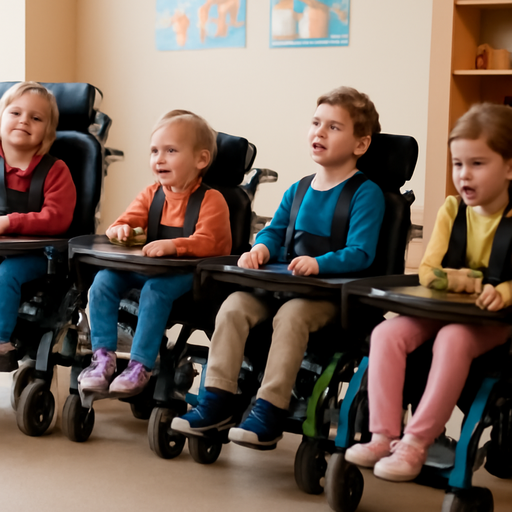

Adaptive Seating Cerebral Palsy Children: Designing Comfort, Support, and Growth
Adaptive seating for cerebral palsy children is more than a seating choice; it is a foundational element of mobility, posture, and participation in daily life. When children with cerebral palsy sit in a properly designed chair, they experience improved trunk stability, better head control, and greater engagement with activities at home, school, and therapy. The journey to finding the right solution blends clinical guidance, caregiver insight, and patient comfort, all aimed at promoting safety, independence, and long-term development. For families exploring options, resources such as Special Chairs for Children with Cerebral Palsy offer practical guidance on choosing supportive systems, while Vela presents a broader ecosystem of assistive products and services.
Adaptive seating cerebral palsy children centers on tailoring chairs to a child’s unique, evolving needs. No two children are alike, and the best seating plan considers posture, tone, range of motion, and functional goals. The chair becomes a platform for learning to sit with proper alignment, which in turn supports breathing, feeding, and communication. Therapists often collaborate with families to assess alignment against range of motion, pelvis and trunk stability, and the child’s tolerance for various positions over the course of a school day or therapy session.
Why adaptive seating matters for cerebral palsy children
- Postural alignment: A well-fitted chair helps maintain pelvis alignment, reduce scoliosis progression risk, and promote midline orientation which supports hand-eye coordination.
- Fatigue reduction: Proper support minimizes energy expenditure during activities, enabling longer participation in learning and play without overtaxing the child.
- Stability and safety: Trunk and head support reduce the risk of falls and assist in managing involuntary movements that can disrupt balance.
- Accessible communication: When seating supports a stable head and trunk, children can better use switches, eye gaze, or speech devices, expanding communication options.
- Independence and participation: Adaptive seating opens doors to classroom participation, social interaction, and self-advocacy as confidence grows.
Key features of adaptive seating systems
Adaptive seating cerebral palsy children typically involves a structured approach that includes three core components: trunk support, seating surface, and stabilization devices. The aim is to provide a seat that grows with the child, accommodates changes in tone, and allows for a range of activities from focused work to play. Here are some features therapists and families evaluate:
- Pelvic positioning and hip alignment to maintain a balanced base of support
- Trunk supports such as side wings or adjustable backs to encourage midline orientation
- Head and neck control options including adjustable headrests
- Footplates or toe loops for leg positioning and to prevent dragging of the feet
- Seat depth and width adjustments to fit hip width and thigh length comfortably
- Angle and height adjustability to optimize vision, accessibility, and interaction with desks and tables
- Pressure distribution features to prevent skin breakdown during long periods of sitting
Choosing the right chair: a collaborative process
The process often begins with a comprehensive assessment by a multidisciplinary team, including pediatric physical therapists, occupational therapists, and, when possible, a seating specialist. Parents contribute insights about daily routines, school schedules, and therapy goals. The team builds a profile of the child’s needs, considering:
- Postural control and tone patterns
- Range of motion in hips, knees, ankles, and spine
- Weight distribution and pressure tolerance
- Activities of daily living and school tasks
- Caregiver capabilities and availability for chair adjustment and maintenance
Adaptive seating cerebral palsy children solutions should be revisited regularly as the child grows and therapy progresses. A chair that fits now may require adjustments within six to twelve months to accommodate growth or changes in functional goals. Parents and caregivers should also consider transportability, ease of cleaning, and compatibility with other assistive devices.
Related topics that enrich seating decisions
Beyond the chair itself, several related topics influence outcomes for adaptive seating cerebral palsy children:
- Activity-based positioning: Embedding dynamic seating needs into the child’s daily routine, including during meals, school work, and recreation, to promote active engagement.
- Postural care education: Teaching caregivers how to support alignment during transfers, feeding, and crawling or standing activities to preserve stability across contexts.
- Pressure mapping and skin health: Regular checks and pressure-relieving cushions prevent skin breakdown and increase comfort during long sessions.
- Assistive technology integration: Coordinating seating with communication devices, switch access, and environmental controls for a holistic mobility ecosystem.
- School inclusion considerations: Ensuring seating systems align with classroom desks, chair height, and classroom routines to maximize participation.
Practical steps to start the journey
- Document the child’s current posture, comfort levels, and any pain or fatigue related to sitting.
- Consult a seating specialist or pediatric therapist to schedule an evaluation.
- Experiment with a range of seating options, including adjustable chairs, molded foam supports, and dynamic seating that allows micro-movements.
- Involve educators and therapists to align goals across home and school environments.
- Plan for growth with a chair system that offers adjustable components and scalable features.
Adaptive seating cerebral palsy children is as much about ongoing care as it is about a single purchase. A thoughtful approach—centered on comfort, growth, and functionality—produces meaningful rewards in daily life and long-term development.
Inspiring outcomes and hopeful futures
Across families, schools, and clinics, adaptive seating cerebral palsy children opens pathways to participate more fully in education, social life, and play. When seating supports are tailored to a child’s strengths and challenges, they enable engaged learning, meaningful communication, and a stronger sense of self. The goal is not only to provide a chair but to create a reliable platform that empowers a child to explore, express, and excel within their world.
For those seeking further information about specialized seating solutions and pediatric mobility products, curated resources and manufacturers offer guidance on fit, durability, and service. A thoughtful, iterative process—supported by clinicians, caregivers, and manufacturers—helps ensure that adaptive seating cerebral palsy children becomes a cornerstone of healthy development rather than a barrier to participation.